Digitaal welzijn op het werk: een nieuwe dimensie van digitale verantwoordelijkheid
Digitale technologieën hebben de manier waarop we werken, leren en communiceren ingrijpend veranderd. E-mails, instant messaging, online vergaderingen, samenwerkingsplatformen en tools voor kunstmatige intelligentie stellen ons in staat om... Informatie sneller delen, problemen efficiënter oplossen En Blijf in contact over grote afstanden. Dezelfde technologieën die het werk gemakkelijker maken, kunnen echter ook nieuwe uitdagingen creëren wanneer ze niet op verantwoorde wijze worden gebruikt.
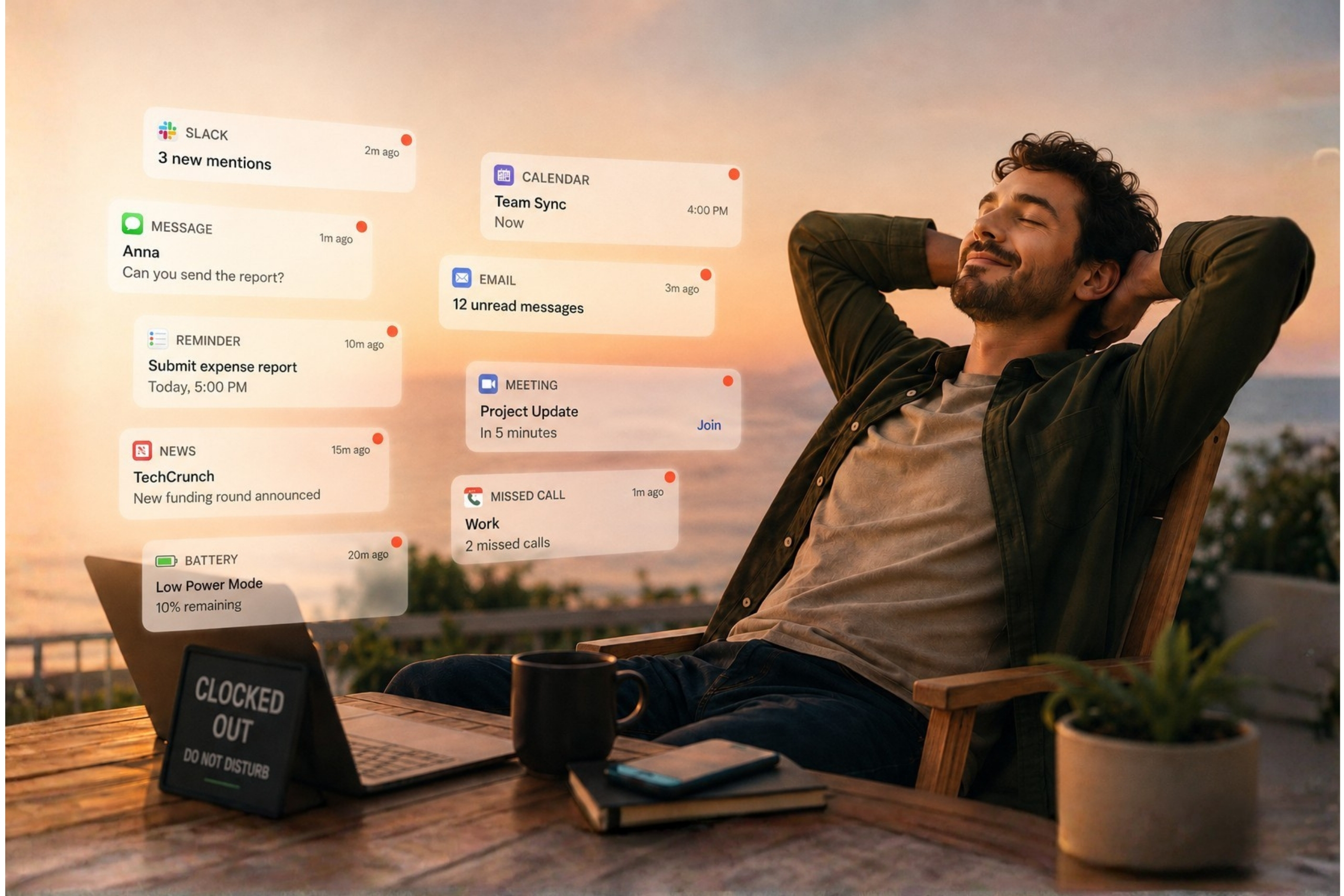
In veel bedrijven is constante connectiviteit de norm geworden. Werknemers zijn Er wordt verwacht dat ze snel reageren., meerdere communicatiekanalen volgen, online vergaderingen bijwonen, grote hoeveelheden informatie verwerken en Beschikbaar blijven buiten de traditionele werktijden. Na verloop van tijd kan dit leiden tot digitale vermoeidheid, spanning, verlaagde concentratie en zelfs burn-out. Digitaal welzijn wordt daarom een essentieel onderdeel van digitale verantwoordelijkheid.
Digitaal welzijn Dit betekent dat technologie wordt gebruikt op een manier die de mentale gezondheid, productiviteit en werk-privébalans van mensen ondersteunt in plaats van schaadt. Het betekent niet dat digitale hulpmiddelen moeten worden afgewezen. Integendeel, Technologie kan buitengewoon nuttig zijn. wanneer het wordt gebruikt met duidelijke grenzen, gedeelde regels en een mensgerichte aanpak. De kernvraag is niet Of we digitale hulpmiddelen zouden moeten gebruiken, Maar hoe we ze op een gezondere en duurzamere manier kunnen gebruiken.
Gezonde digitale gewoonten kunnen een groot verschil maken. Simpele gewoonten zoals Het verminderen van onnodige meldingen, het definiëren van verwachtingen ten aanzien van de responstijd, het vermijden van overmatige vergaderingen, schermpauzes nemen En het juiste communicatiekanaal kiezen kan helpen bij het creëren van een meer evenwichtige digitale omgeving. Organisaties spelen ook een belangrijke rol door een helder communicatiebeleid te bevorderen, de tijd tussen communicatiestoringen te respecteren en managers aan te moedigen het goede voorbeeld te geven.
Voor onderwijs en training, Dit onderwerp is bijzonder relevant. Studenten die zich voorbereiden op de arbeidsmarkt hebben meer nodig dan alleen technische digitale vaardigheden. Ze moeten ook begrijpen... hoe digitale gewoonten de aandacht beïnvloeden, samenwerking, welzijn En professionele prestatie. Beroepsonderwijs en -training kunnen leerlingen helpen. Verantwoordelijk gedrag ontwikkelen voordat ze de arbeidsmarkt betreden: het beheren van digitale werkdruk, respectvol communiceren online, hun focus beschermen En De tekenen van digitale overbelasting herkennen.
Dit hangt nauw samen met de doelstellingen van de DIRECT project, wat bevordert digitale verantwoordelijkheid door middel van onderwijs en training. Digitale verantwoordelijkheid Het gaat niet alleen om privacy, beveiliging of ethisch gebruik van gegevens. Het gaat ook om... het creëren van digitale culturen die mensen beschermen en gezondere manieren van werken ondersteunen.
De werkplek van de toekomst zal ongetwijfeld digitaal zijn, maar zou ook digitaal moeten zijn. evenwichtig zijn, inclusief En mensgericht. Gebouw gezonde digitale gewoonten Vandaag is een belangrijke stap op weg naar een meer verantwoordelijke digitale toekomst.