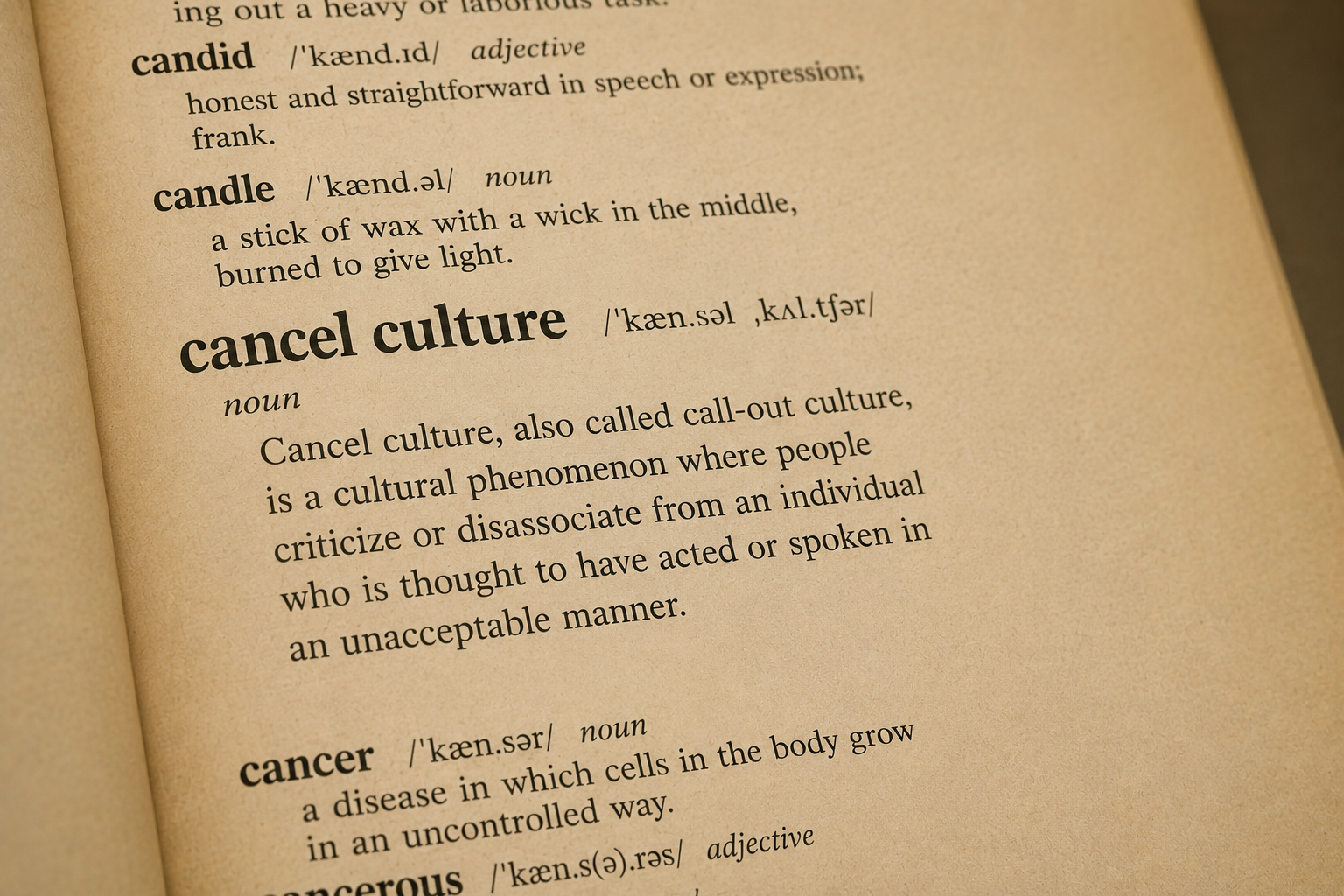
Cancelcultuur en verantwoord gebruik van technologie
In het tijdperk van sociale media, Nieuwe technologieën hebben individuen in staat gesteld hun mening te delen, anderen ter verantwoording te roepen en sociale verandering teweeg te brengen. Deze digitale empowerment heeft echter ook geleid tot cancelcultuur, het collectief aan de kaak stellen en afkeuren van anderen. “annuleren” individuen, beroemdheden of bedrijven worden aangeklaagd voor vermeende misstanden, vaak via online platforms. Hoewel dit een vorm van digitale rechtspraak lijkt, cancelcultuur Dit roept complexe vragen op over verantwoordelijkheid, rechtvaardigheid en het ethische gebruik van technologie.
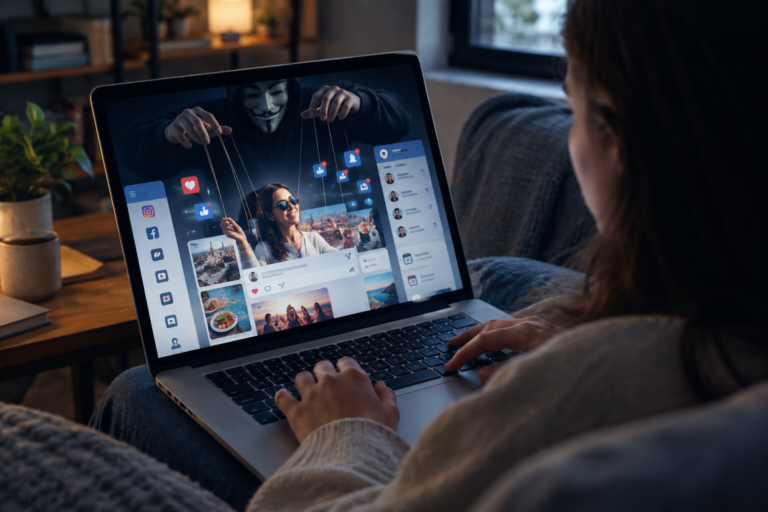
Moderne platforms zoals Twitter, TikTok, En Instagram toestaan dat snelle verspreiding van informatie en oordeel. Een enkel bericht of commentaar kan viraal gaan en leiden tot publieke vernedering of professionele gevolgen. In veel gevallen ontbreekt bij deze reacties de context, de juiste procedure of zelfs de kans voor de beschuldigde om zich te verdedigen of van zijn of haar fouten te leren. Deze dynamiek is vooral gevaarlijk wanneer Desinformatie verspreidt zich ongecontroleerd., potentieel levens verwoesten over feiten die verkeerd begrepen of voorgesteld zijn.
Het probleem zit hem niet in de technologie zelf, maar in hoe we die gebruiken. digitale burgers, We hebben de verantwoordelijkheid om er doordacht en kritisch mee om te gaan. In plaats van overhaast te annuleren, zouden we ons moeten richten op... onderwijs, bespreken, En Verantwoordelijkheid stimuleren met compassie. Technologie zou moeten zijn een instrument voor constructieve dialoog, Geen digitale straf.
Samenvattend, cancelcultuur Dit weerspiegelt de kracht en de potentiële schade van onze digitale hulpmiddelen. Technologie op een verantwoorde manier gebruiken, we moeten Een evenwicht vinden tussen rechtvaardigheid en empathie. en ervoor zorgen dat sociale media een ruimte voor groei zijn, en niet alleen voor veroordeling. Bevordering van digitale verantwoordelijkheid middelen Denk na voordat je iets plaatst., Informatie verifiëren en de menselijkheid achter elk scherm niet vergeten.