Cancel Culture und der verantwortungsvolle Umgang mit Technologie
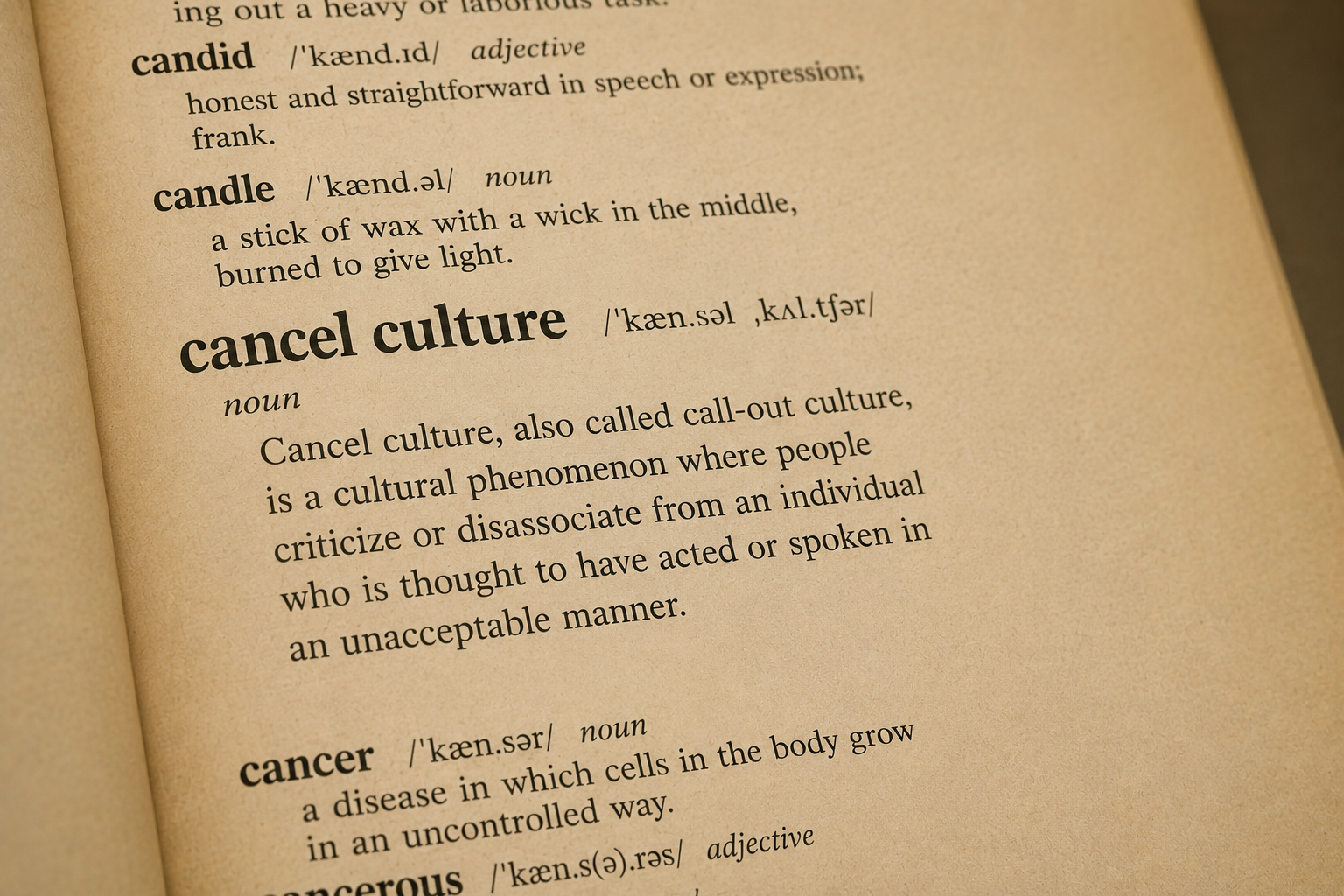
Im Zeitalter von soziale Medien, Neue Technologien haben Einzelpersonen die Möglichkeit gegeben, Meinungen zu teilen, andere zur Rechenschaft zu ziehen und sozialen Wandel anzustoßen. Diese digitale Ermächtigung hat jedoch auch die Cancel-Kultur hervorgebracht, die Praxis des kollektiven Anprangerns und “Absage” Einzelpersonen, Prominente oder Unternehmen werden wegen vermeintlicher Vergehen angeklagt, oft über Online-Plattformen. Auch wenn dies wie eine Form digitaler Gerechtigkeit erscheinen mag, Cancelkultur wirft komplexe Fragen hinsichtlich Verantwortung, Fairness und dem ethischen Einsatz von Technologie auf.
Moderne Plattformen wie Twitter, TikTok, Und Instagram ermöglichen rasche Verbreitung von Informationen und Urteilen. Ein einzelner Beitrag oder Kommentar kann viral gehen und zu öffentlicher Bloßstellung oder beruflichen Konsequenzen führen. Oftmals fehlen diesen Reaktionen Kontext, ein ordnungsgemäßes Verfahren oder gar die Chance für den Beschuldigten, sich zu erklären oder aus seinen Fehlern zu lernen. Diese Dynamik ist besonders gefährlich, wenn Falschinformationen verbreiten sich ungehindert., potenziell Leben ruinieren über missverstandene oder falsch dargestellte Tatsachen.
Das Problem ist nicht die Technologie selbst, sondern wie wir sie nutzen. digitale Bürger, Wir haben die Verantwortung, uns überlegt und kritisch damit auseinanderzusetzen. Anstatt vorschnell abzusagen, sollten wir uns auf Folgendes konzentrieren: erziehen, Diskussion, Und Verantwortungsbewusstsein mit Mitgefühl fördern. Technologie sollte sein ein Werkzeug für konstruktiven Dialog, keine digitale Bestrafung.
Abschließend, Cancelkultur spiegelt die Macht und den potenziellen Schaden unserer digitalen Werkzeuge wider. Technologie verantwortungsvoll nutzen, Wir müssen Gerechtigkeit und Empathie in Einklang bringen und sicherstellen, dass soziale Medien ein Raum für Wachstum und nicht nur für Verurteilung sind. Förderung Digitale Verantwortung bedeutet Nachdenken vor dem Posten, Informationen überprüfen und dabei stets die Menschlichkeit hinter jedem Bildschirm im Auge behalten.