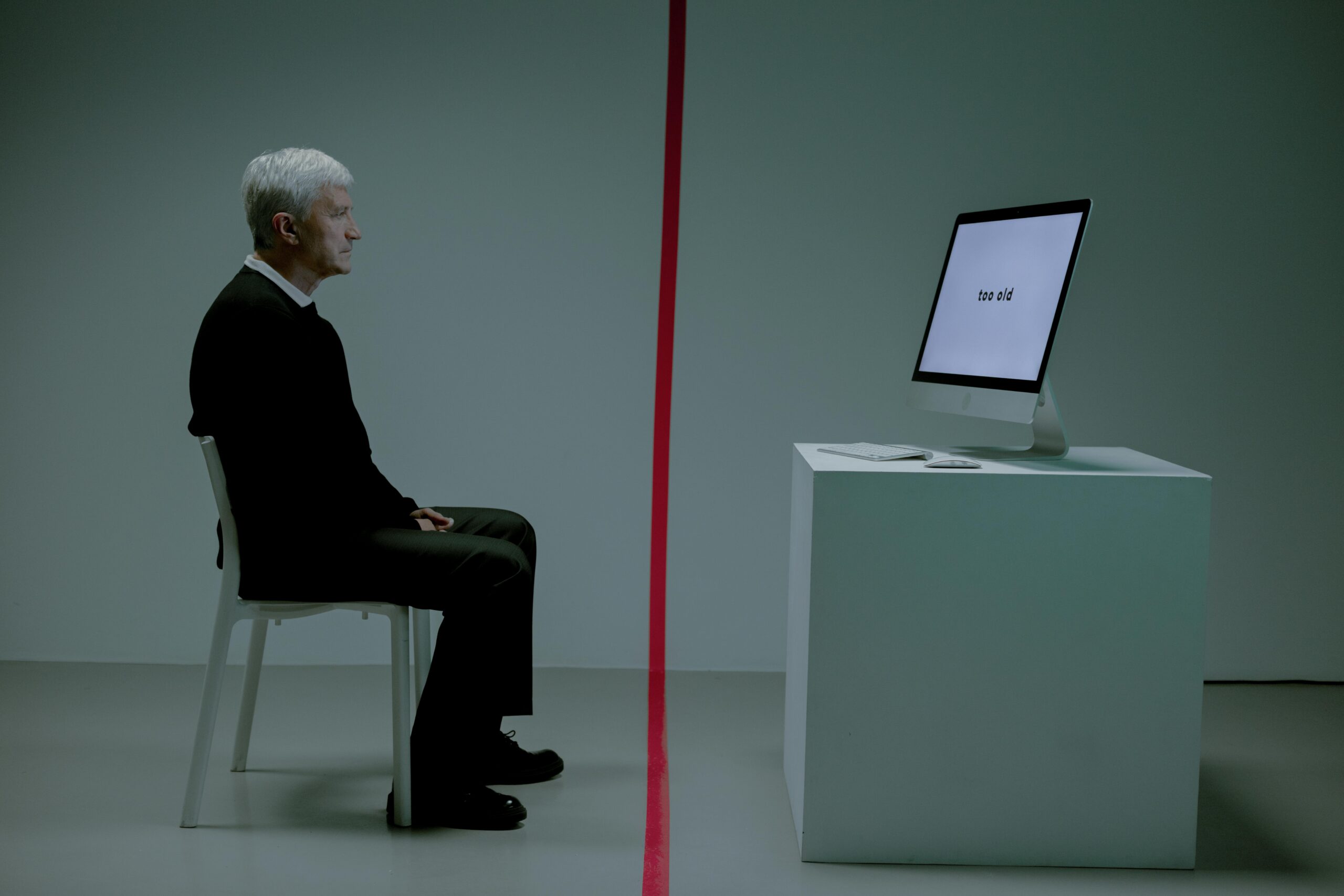
Bridging the Digital Divide Among the Elderly
In today’s fast-paced digital world, technology plays a central role in communication, access to information, and everyday tasks. However, a significant portion of the elderly population remains disconnected, creating a digital divide that affects their quality of life and inclusion in society.
Many older adults struggle with adopting new technologies due to a lack of exposure, physical limitations, or fear of making mistakes. While younger generations grow up using smartphones, computers, and the internet daily, the elderly population often feels overwhelmed by unfamiliar interfaces or rapid updates. This gap prevents them from accessing essential services like telemedicine, online banking, or simply staying in touch with family through video calls.
The digital divide among the elderly is not only a technical issue but also a social one. When seniors are excluded from the digital world, they may experience isolation, reduced independence, and fewer opportunities for lifelong learning. Moreover, important information, such as health updates or public service announcements, is increasingly shared online, putting digitally disconnected seniors at risk.
Bridging this gap requires more than just giving older adults devices. It involves offering patient, accessible training programs tailored to their needs and creating technology that is intuitive and senior-friendly. Family members, community centers, and governments all play a role in fostering digital inclusion.
In conclusion, addressing the digital divide among the elderly is a matter of equality and dignity. By helping older adults gain confidence and skills in using technology, we not only improve their daily lives but also ensure that no one is left behind in the digital age.