AI in Hiring: Efficiency or Bias?
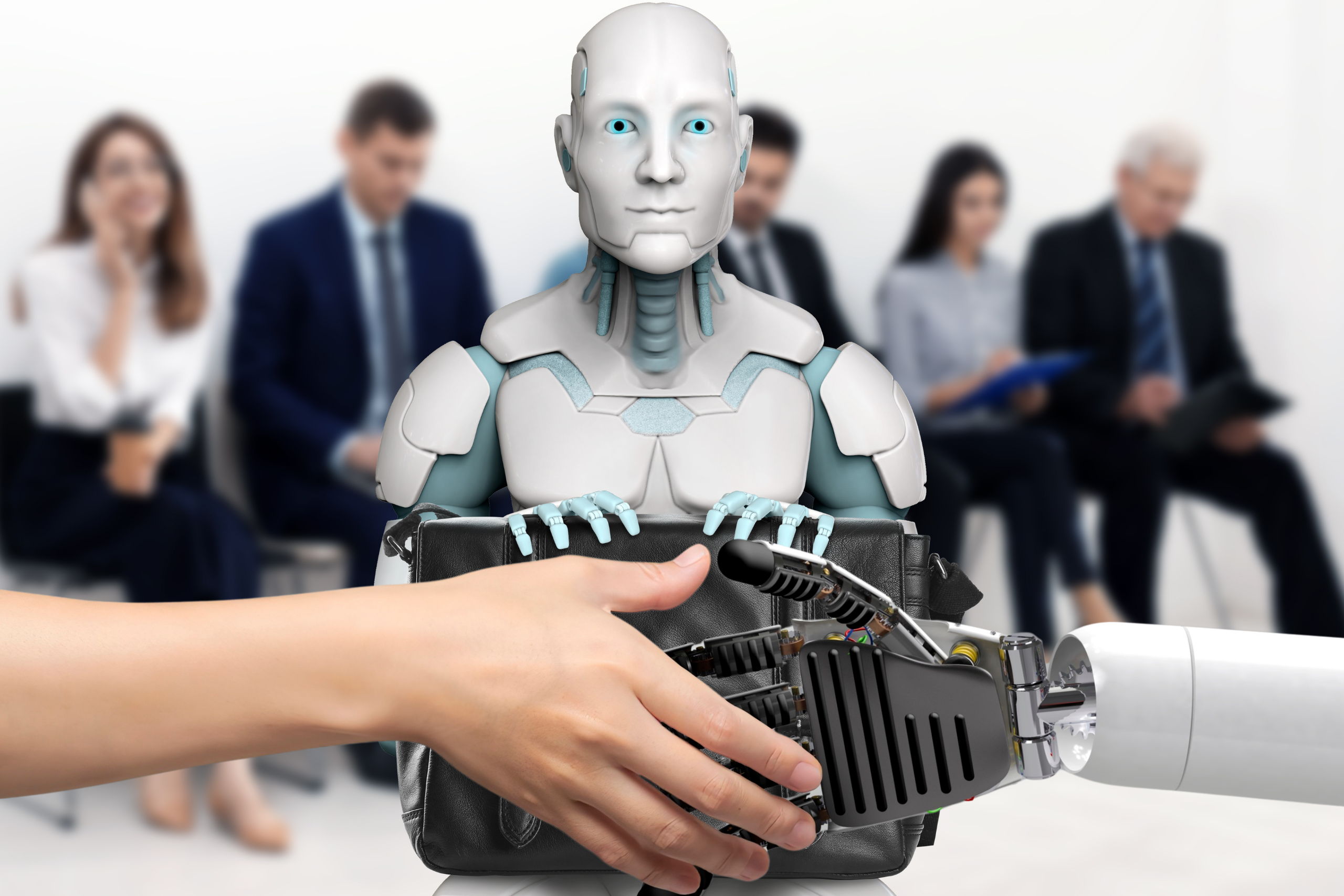
Artificial Intelligence is becoming a common tool in hiring processes, scanning CVs, ranking candidates, even analyzing video interviews. These systems promise faster and more “objective” recruitment. But are they always fair?
Recent investigations have shown that some AI recruitment tools replicate human biases. For example, a well-known tech company had to scrap its resume-screening algorithm after discovering it was penalizing female applicants. The algorithm had been trained on historical data, data that reflected existing gender imbalances.
Other concerns include lack of transparency, candidates who don’t know how decisions are made, over-reliance on automation, and the exclusion of applicants who don’t fit conventional digital patterns.
These examples highlight the need for digital responsibility in AI development and deployment. Fairness in hiring goes beyond compliance; it requires questioning the data, testing for unintended consequences, and involving diverse voices in designing systems that impact people’s lives.
Technology can support human decision-making, but it should never replace ethical judgment. In sensitive areas like employment, where the stakes are personal and profound, we must ask: Is the tool helping us make better decisions, or just faster ones?
Digital innovation must be combined with critical thinking, inclusive design, and clear accountability. Otherwise, we risk automating inequality under the banner of progress.